The dry coast, in practice
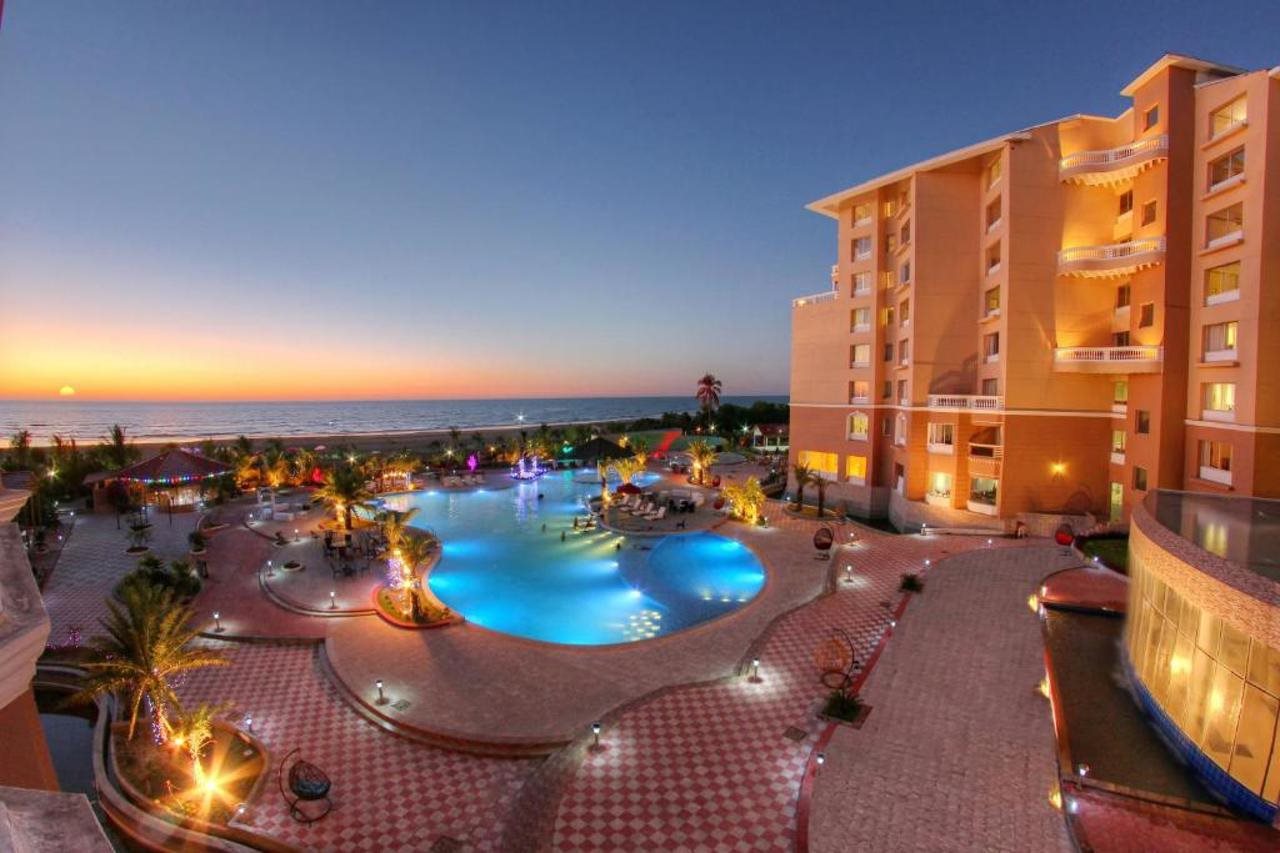
Cox's Bazar is a conservative Muslim-majority town, and alcohol is effectively absent. You will not find a licensed bar in the beach hotels along Kalatoli or in Kolatoli Point; the big properties serve juice, tea and soft drinks, and that is the whole drinks list. If you have seen a cocktail menu online, it belonged to a different country. This is not a prohibition you can politely sidestep at a duty-free shop in Dhaka: bringing your own is a bad idea and can cause real trouble with hotel staff or police. Treat the evening as a food-and-walk occasion and it stops feeling like a restriction.
The upside is that evenings here are cheap, social and family-heavy. From about 5pm the beach at Sugandha Point fills with groups, cricket games and pony-cart touts; by 8pm most of that has moved to the seafood stalls and sweet shops. Budget roughly 200–600 taka (about $1.80–$5.50) per person for a full evening of grilled fish, rice and tea. What you are not going to get is a late, loud, drink-fuelled night out, and planning around that expectation is the single most useful thing you can do before you book.
Where the lights and music actually are
Live music exists but it is sporadic and almost always tied to a hotel programme or a wedding. In practice, the reliable 'music' of the evening is the beach itself: at high tide the surf at Laboni and Sugandha is loud enough to sit and listen to for an hour. For something organised, ask your hotel desk whether there is a cultural show that week — some larger hotels by Kolatoli Point run folk-dance or baul-style performances for guests during peak season (November to February). I would not book a room on the strength of it; ask when you arrive.
The brightest, most reliably lively stretch is the beach road between Kolatoli Point and Sugandha Point, where string lights go on around 6:30pm and stay until roughly 10pm. This is where you find the small tea stalls, fried snacks and the rows of dried-fish and shell shops. Farther north, near the Burmese Market on the main road, the lights are shop lights rather than decorative ones, and the crowd is local shoppers, not tourists. My call: base your evening walk between Kolatoli and Sugandha, and skip the long stretch south toward Himchari after dark — it is unlit, the road is narrow, and there is nothing to see once the sun is gone.
The night market and what it sells
The main night market in Cox's Bazar is the Burmese Market, on the town's main road near the old part of the city, and it runs into the evening rather than into the small hours. Around 7–10pm is peak. You will find textiles and lungi, cheap electronics, imported cosmetics and snacks, jewellery, and the town's best concentration of dry fish and spice stalls. Prices are quoted in taka, bargaining is normal, and cash is king; mobile financial services like bKash are widely accepted in bigger shops but not at every stall. Expect to pay 300–1,500 taka ($2.75–$14) for most clothing and souvenir items.
The beachfront stalls around Sugandha and Laboni are the other night-market zone, though they are really a seafood-and-snacks strip: whole fish and prawns grilled to order, crab, dried fish by the kilo, shell jewellery and beach toys. A grilled fish plate runs about 400–900 taka ($3.60–$8.20) depending on size and species. What it is not: a craft market. If you want actual local craft, buy at the Burmese Market rather than the beach, where the same imported trinkets are marked up. Skip the pony-cart and ATV touts after 9pm — prices get pushy and the beach is too dark to enjoy it.
When things close, hour by hour
Cox's Bazar closes early by South Asian resort standards, and Ramadan shifts everything further. On a normal weekday: tea stalls and snack shops start winding down around 9pm; most restaurants take last orders by 10pm; the Burmese Market gets quiet by 10–10:30pm; and the beach is effectively empty of touts and lights by 10pm. There is no dependable late-night dining scene — a handful of informal eateries near the bus station serve until around 11pm, but do not plan on it in the off-season. During Ramadan, daytime eating is restricted and the evening moves late: iftar around sunset and dinner from 8pm or later, with many shops closing mid-afternoon and reopening after that.
Mornings are the counterweight. Sunrise on the beach at Sugandha or Laboni is genuinely the best hour of the day here, especially November to February when it is cool and the light is clear. The practical itinerary that most people end up with is: beach walk early, a long midday rest when it is hot and humid, an evening on the beach road from about 5:30pm, dinner by 9pm, and back to the hotel. If you are coming from Dhaka expecting a 2am city, you will spend the first night disappointed and the rest of the trip adjusting.
What I would do, and what I would skip
Do: walk the beach road between Kolatoli Point and Sugandha Point starting around 5:30pm, eat grilled fish at one of the Sugandha stalls for 400–700 taka ($3.60–$6.40), then take a rickshaw (100–200 taka, $0.90–$1.80) to the Burmese Market for an hour of browsing before it quiets at 10pm. If you want a proper sit-down dinner, the restaurant strips on the main road and near Kolatoli Point serve Bangladeshi and some Chinese and Thai dishes until about 9:30–10pm; expect 500–1,200 taka ($4.60–$11) for two. A hotel near Kolatoli Point puts you inside this whole evening on foot, which matters because after 9pm transport gets thin and the streets away from the strip get very dark.
Skip: any plan built around bars or nightclubs, any expectation of live music without asking the hotel, and the long unlit road south to Himchari after dark. Also skip the beach after about 9:30pm if you are alone or with children — the lifeguard presence is minimal and the surf at high tide is strong; there are drownings here every season. If you want a late night, the honest answer is that Cox's Bazar does not offer one, and the trip is better when you accept that and go to bed early.
Questions, answered
Hotels in Cox’s Bazar
See all stays →Curated picks are coming — meanwhile, the live search covers every bookable property at the same price or better.