The Swell: Why the Beach Is Off-Limits
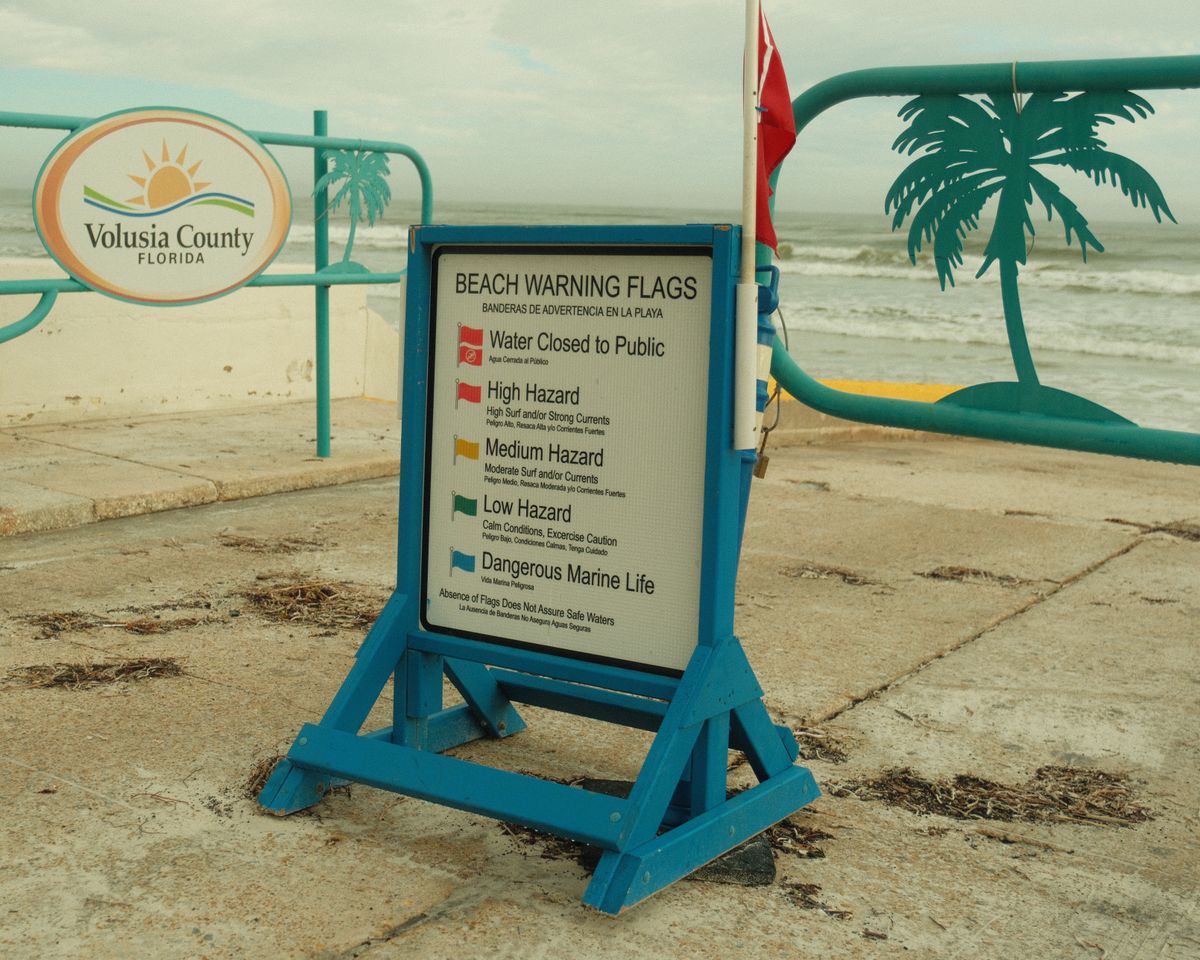
From mid-May to September, the Bay of Bengal turns on Cox's Bazar. Swell lines stack up two to four metres high and break in a continuous roar along the 120-kilometre beach from Kolatoli to Inani. The water is warm, around 28°C, but the rip currents are lethal. Every year, the district administration and lifeguards from the Bangladesh Fire Service and Civil Defence impose a full swimming ban. Red flags fly at Kolatoli Point, Sugandha Beach, and Laboni Point. This is not advisory: it is enforced. In June 2023, police and tourist police turned back dozens of visitors who tried to wade in at Himchari. The ban is total and it saves lives.
That does not mean you cannot walk the sand. At low tide, the beach at Kolatoli and Sugandha is hard-packed and wide, and you can walk for miles. But stay knee-deep maximum, and never turn your back on the surf. The waves arrive in sets, and a calm minute can end with a wall of white water. Fishermen still launch their wooden boats from the mouth of the Bakkhali River, but they know the water. You do not. Treat the sea as a spectacle, not a swimming pool.
Closed for Business: What Shuts and What Stays Open
Many of the seasonal businesses that depend on dry-season crowds simply close. The beach horseback riding operators, the quad bike rentals, the beachside jewellery and sarong stalls at Laboni Point — most pack up by early June. The speedboat operators who run trips to Patenga or along the coast tie up their vessels. Even some of the larger hotels, like the older wings of Hotel Sea Palace and the motel strip at Kalatali, shut entire floors or run with a skeleton staff. The result is a strange, emptied-out resort town. You can walk the main beach road, Beach Road, and hear only the wind and the waves.
But not everything closes. The Burmese Market (Bara Bazar) remains open daily from around 9am to 8pm, selling dried fish, thanaka paste, and cheap electronics. The fish landing station at Fishery Ghat is at its busiest, with trawlers unloading at dawn. Restaurants like Jhaubon at Kolatoli and Poushee on Hotel Motel Road stay open, though some cut their hours. The seafood is cheaper and just as fresh: a whole grilled pomfret at Jhaubon costs around 500–700 taka ($4.50–$6.30). The trick is to check ahead — call your hotel before booking, because a place that looks open on Google Maps may be shuttered for the season.
The Prices: How Low They Go
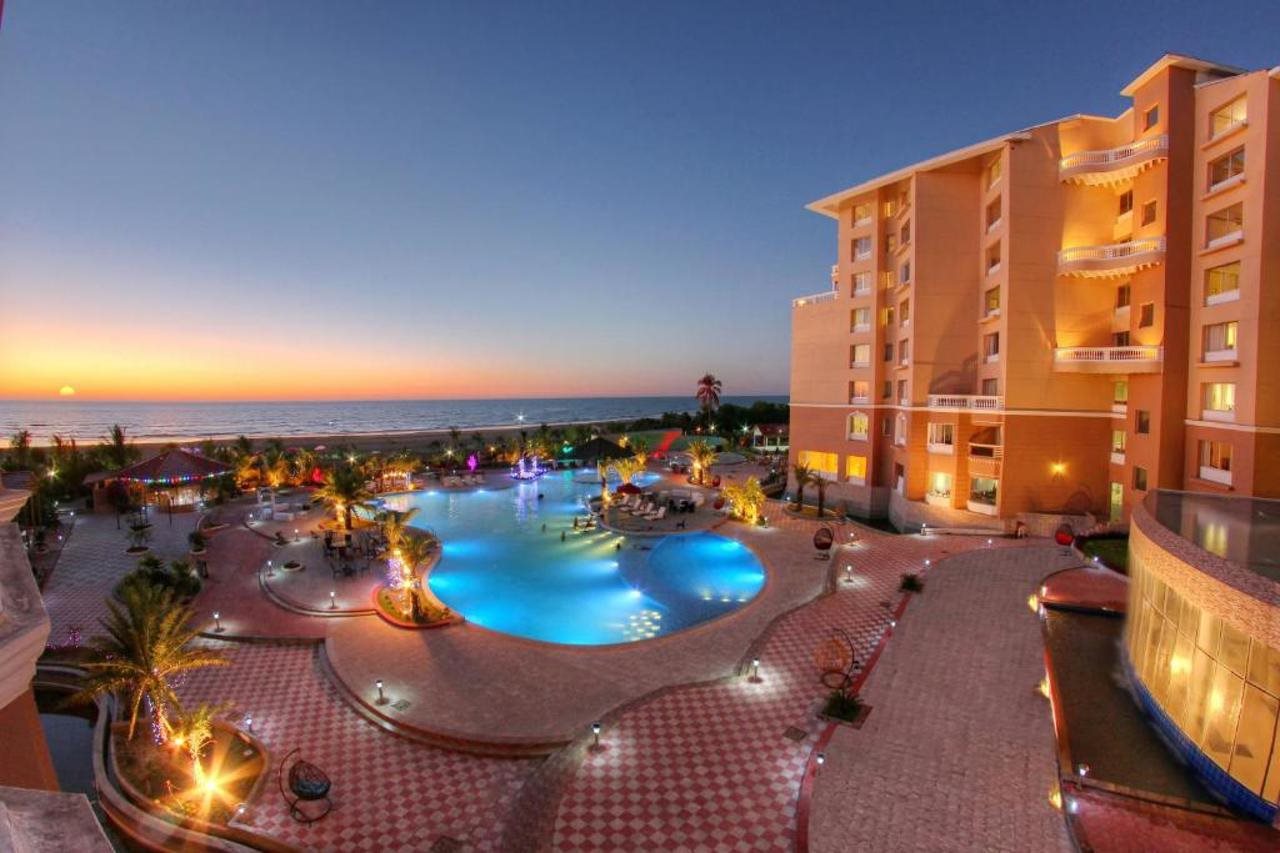
This is the monsoon's one unambiguous gift. In peak season (November to February), a standard air-conditioned double at a mid-range hotel like Hotel Sea Crown or Nitol Bay on Kolatoli Road runs 4,000–6,000 taka ($36–$54) per night. In June through September, the same room drops to 1,500–2,500 taka ($13–$22). Luxury properties like the Long Beach Hotel or Sayeman Beach Resort, which charge 12,000–18,000 taka ($108–$162) in winter, fall to 5,000–8,000 taka ($45–$72). Some hotels offer monsoon packages that include breakfast and airport pickup for under 4,000 taka ($36).
Transport is also cheaper. The overnight buses from Dhaka — Green Line, Shyamoli, Saintmartin Travels — drop their fares from around 2,200 taka ($20) to 1,400–1,700 taka ($13–$15) for the 10- to 12-hour run. Flights from Dhaka on Biman or US-Bangla, usually 8,000–12,000 taka ($72–$108) return, can be had for 5,000–7,000 taka ($45–$63) return. The catch is that roads and runways are more likely to be disrupted. Flooding on the Chittagong-Cox's Bazar highway can add two hours, and flights get cancelled in heavy rain. Always book refundable or changeable tickets, and keep a buffer day on either side.
The Drama: Storms, Skies, and Empty Beaches
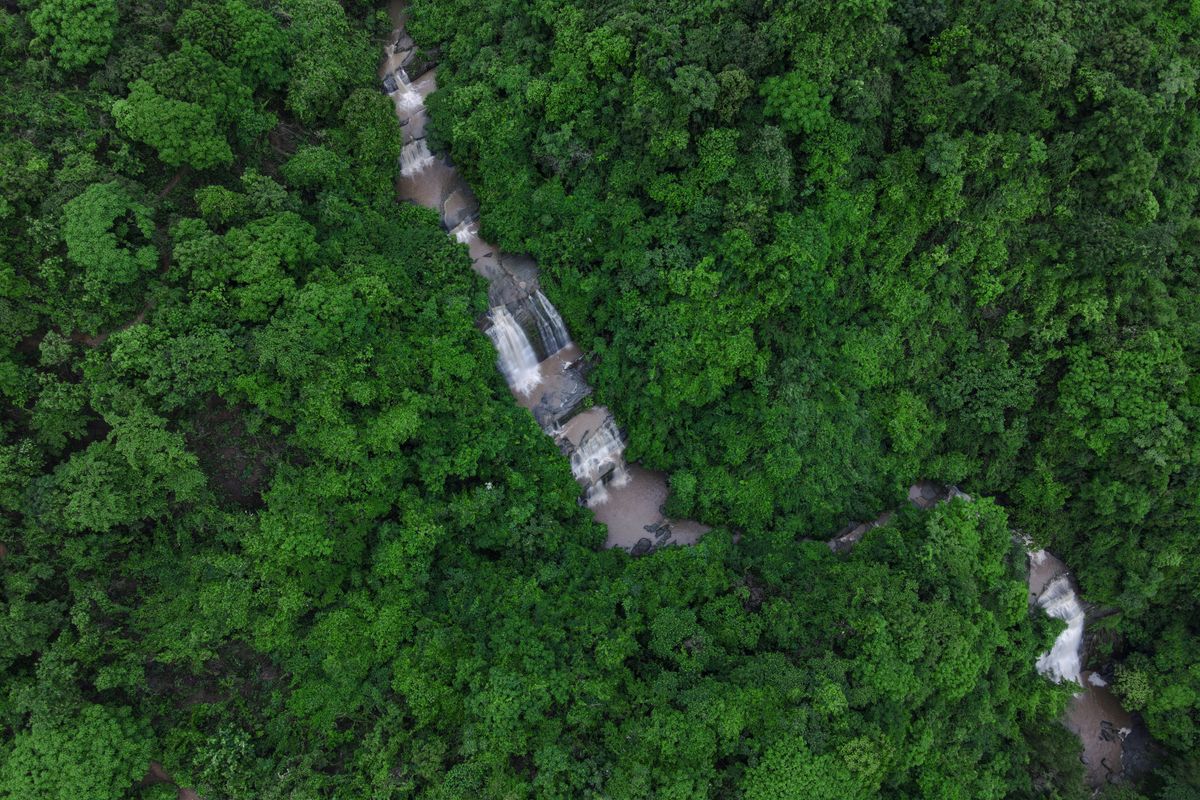
When it is not actually raining, the monsoon coast is the most dramatic version of Cox's Bazar. Squall lines march in from the sea, darkening the sky from horizon to shore in minutes. The wind hits first, then the rain in fat, warm drops. Then it passes, and the light turns metallic and strange. At Himchari, the hills are emerald and the waterfall — usually a trickle — becomes a proper cascade. At Inani, 28 kilometres south of Kolatoli, the beach is empty except for a few fishermen and the red-and-white striped lifeguard towers. You can stand at the top of Inani's coral cliffs and watch the swell explode against the rocks. It is worth the 45-minute drive from town.
The best time of day is early morning, between 6am and 8am. The rain often holds off until afternoon, and the light is soft. Walk from Kolatoli to Sugandha and you will have the beach almost to yourself, apart from the odd jogger and the men repairing nets. Do not miss the sunset from the Marine Drive road that runs along the coast from Kolatoli to Himchari — on a clearing evening, the sun drops into the bay in a blaze of orange and grey. Carry a rain jacket or a cheap plastic poncho (150 taka, $1.35, from any stall). An umbrella will invert in the wind.
Practicalities: Health, Safety, and Getting Around
Mosquitoes are the main health nuisance. Dengue is present in Bangladesh, including Cox's Bazar, and the monsoon is peak season. Use repellent with DEET, wear long sleeves in the evening, and choose a hotel with mosquito nets or air conditioning. Tap water is not safe to drink — stick to sealed bottled water, around 20 taka ($0.18) for a 500ml bottle from any shop. Street food is tempting but risky in the heat; if you eat at the Burmese Market, choose stalls that are busy and cook food fresh. The main hospital is Cox's Bazar Sadar Hospital on Hospital Road, but for anything serious you will be transferred to Chittagong, 150 kilometres north.
Getting around is easier than you might think. CNG auto-rickshaws are plentiful and cheap: a ride from Kolatoli to the Burmese Market is 100–150 taka ($0.90–$1.35). A full-day hire of a private car with driver to Inani and Himchari costs 2,500–3,500 taka ($22–$32). The local bus from Kolatoli to Teknaf runs along the Marine Drive and costs 150 taka ($1.35), but it stops running earlier in heavy rain. For the return to Dhaka, book your bus or flight a day ahead — monsoon schedules are fluid. And remember: this is a conservative Muslim coast. There is no licensed alcohol anywhere in Cox's Bazar. Do not expect a beach bar; the nightlife is tea stalls and the sound of the sea.
Should You Go? The Honest Verdict
Yes — but only if you know what you are buying. Go for the drama, the emptiness, and the prices. Skip it if you want to swim, sunbathe, or ride a jet ski. The sea is off-limits, the beach can be lashed by rain for days, and many of the comforts of a resort town are packed away. This is not a beach holiday in the conventional sense. It is a monsoon coast: raw, moody, and occasionally magnificent. If you are the kind of traveller who would rather watch a storm from a balcony than fight for a sun lounger, you will love it. If you need guaranteed sunshine, wait until November.
My advice: book a hotel with a sea-facing balcony and a generator (power cuts are common in storms). Go for three nights, not seven — the weather can trap you indoors. Take a day trip to Himchari and Inani on the first clear morning. Eat seafood at Jhaubon. Walk the beach at low tide. And keep your plans loose. The monsoon does not care about your itinerary, and that is exactly the point.
Questions, answered
Hotels in Cox’s Bazar
See all stays →Curated picks are coming — meanwhile, the live search covers every bookable property at the same price or better.