Why autumn suits the Sugandha stretch
Cox's Bāzār runs roughly 120 km from Teknaf to the tip of the peninsula, but the beach most people picture is the central strip around Kolatoli and Sugandha. From about mid-October the monsoon retreats, humidity drops and the Bay of Bengal turns from grey chop into a long, flat sheet of silver. Daytime temperatures sit comfortably in the high twenties, and the light at 4pm over the water is the reason photographers plan trips for November rather than June. The cyclonic risk is not zero, so check the Bangladesh Meteorological Department outlook in the week before you travel and keep plans flexible.
Sugandha sits at the northern end of the main beach, a short walk from the Ramu bus stand on the inland side and the Sea Beach Road hotels on the seaward side. Its appeal is simple: fewer hawkers, wider sand and a gentler current than the crowded Laboni Point area a kilometre south. If you want the classic Cox's Bāzār experience of a sunset walk with almost no one in front of you, this is the stretch. Book anything from mid-October onward; late November is the sweet spot before the December school holidays fill the seafront.
Walking routes worth the early start
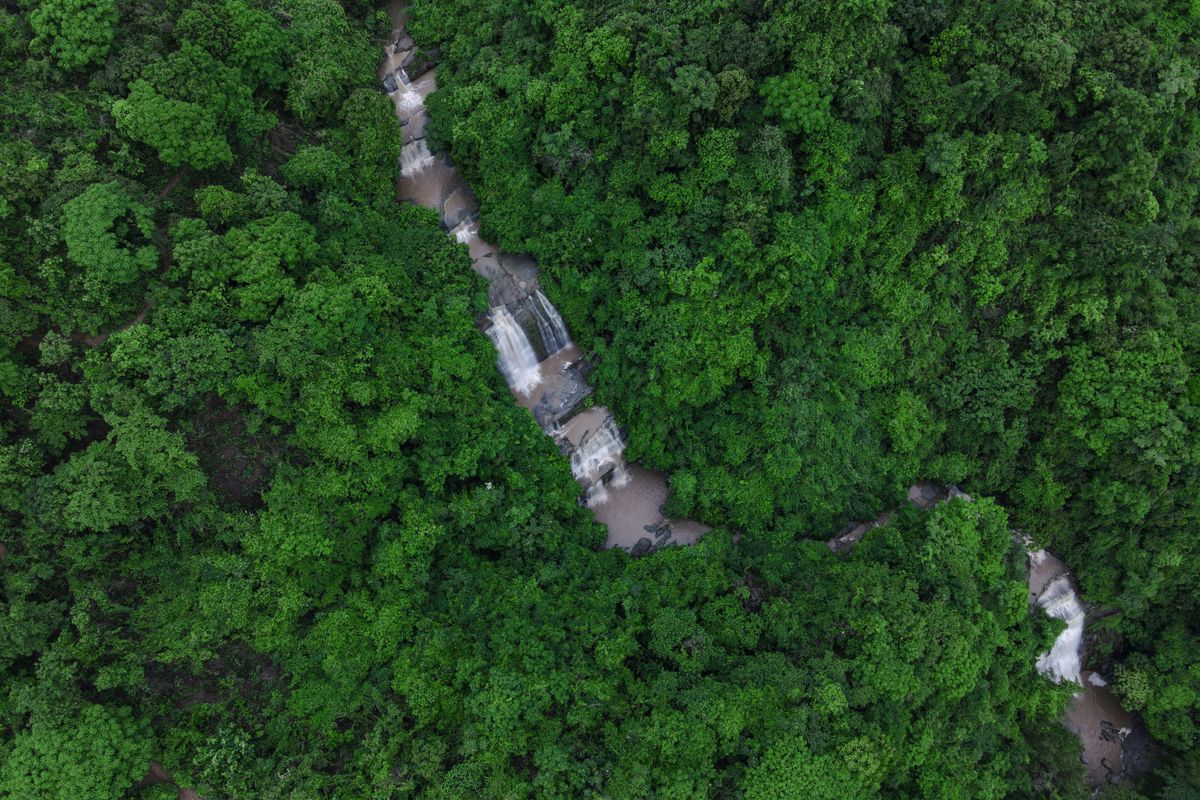
Start at Sugandha Beach Point around 5.30am and walk north towards Himchari. The hard sand at low tide makes it a flat, easy 7 km to the base of the hill; from there the road climbs to Himchari National Park, where the waterfall is at its best after the monsoon and the entry is a small ticket at the gate. Allow two hours on foot one way, or take a CNG auto-rickshaw back for the return. The path is unlit and unmarked in places, so carry water, wear sandals you can rinse, and avoid walking after dusk.
For a shorter loop, head south instead towards the Burmese Market area at Kalatoli, then cut inland on the main road and circle back along Hotel Motel Zone Road past the fish-drying yards. That route is around 4 km and shows you the working side of the town — nets, boats and wholesale fish crates — rather than only the resort frontage. Early morning is best: the catch comes in between 6am and 8am and the light is soft. Midday heat in October can still reach the low thirties, so plan on two walks a day rather than one long one.
What to eat around Sugandha and Kalatoli
The seafront restaurants along Sugandha and the adjoining Kalatoli strip are built for visitors, and the honest advice is to treat them as convenience rather than destination. Fresh rupchanda, koral and prawn are widely available grilled or in a masala, and a plate of rice, dal and one fish curry is the reliable order. Prices vary by season and by catch, so ask before ordering and confirm whether the fish is weighed before or after cleaning. Avoid anywhere with no visible turnover and a laminated photo menu in six languages.
For better food, walk ten minutes inland to the Burmese Market lanes near Kalatoli, where small kitchens serve bhorta, shutki and beef bhuna to a local lunch crowd. Shutki — dried fish — is the regional speciality and worth trying at least once; ask for it lightly fried with onion and chilli. A short ride out to Ramu, around 12 km inland, brings you to the Buddhist temple area and a cluster of shops selling sweets and milk tea. The sea air builds an appetite, so plan your largest meal at lunch.
Choosing a hotel in Sugandha and the Motel Zone
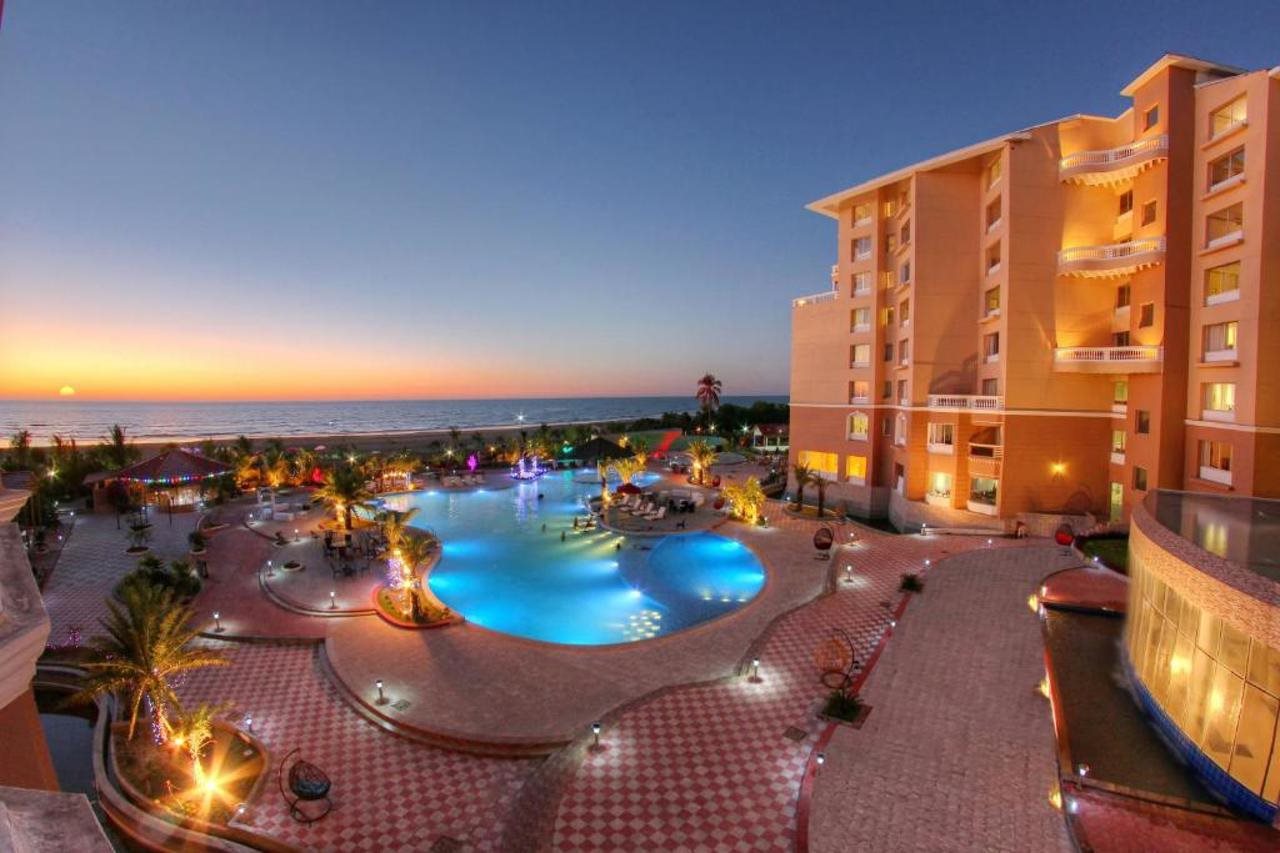
Accommodation clusters in three places: the Sea Beach Road and Hotel Motel Zone around Sugandha and Kalatoli, the Laboni Point area further south, and the newer mid-range blocks along the main Cox's Bāzār–Teknaf highway. Sea-view rooms in the Sugandha stretch typically cost more than the same room one row back, and the difference is mostly the balcony rather than the bed. Check whether the room faces the water directly — many 'sea view' rooms in the Motel Zone look down a lane and catch only a slice of the bay.
For most travellers I would book a mid-range property on Sea Beach Road between Sugandha and Kalatoli: walkable to the sand, close to the fish market and a short CNG ride from both Laboni Point and the bus stands. Families with children do better slightly inland, where rooms are quieter and the road is less exposed. Solo walkers should prioritise the Sugandha end. Skip the very cheapest rooms near Laboni Point in high season; the noise and late-night traffic defeat the point of a beach stay.
Questions, answered
Hotels in Cox’s Bazar
See all stays →Curated picks are coming — meanwhile, the live search covers every bookable property at the same price or better.