November to February: peak season
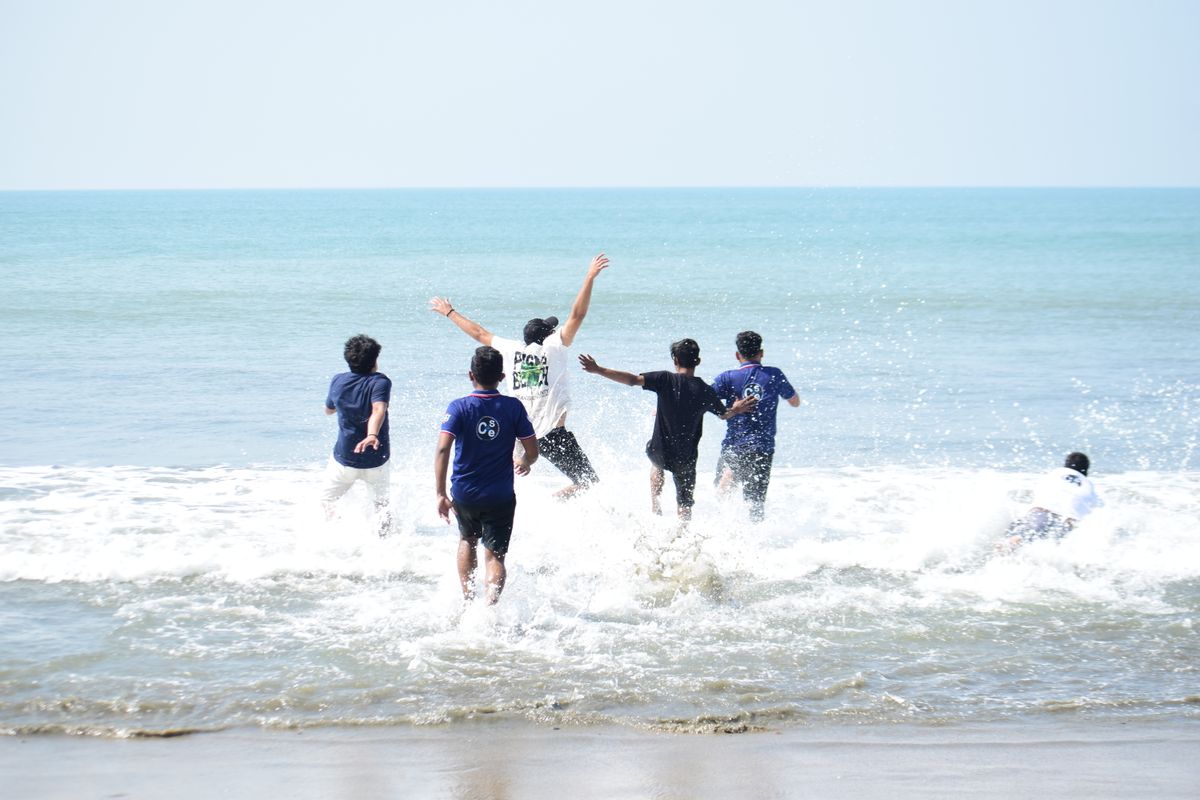
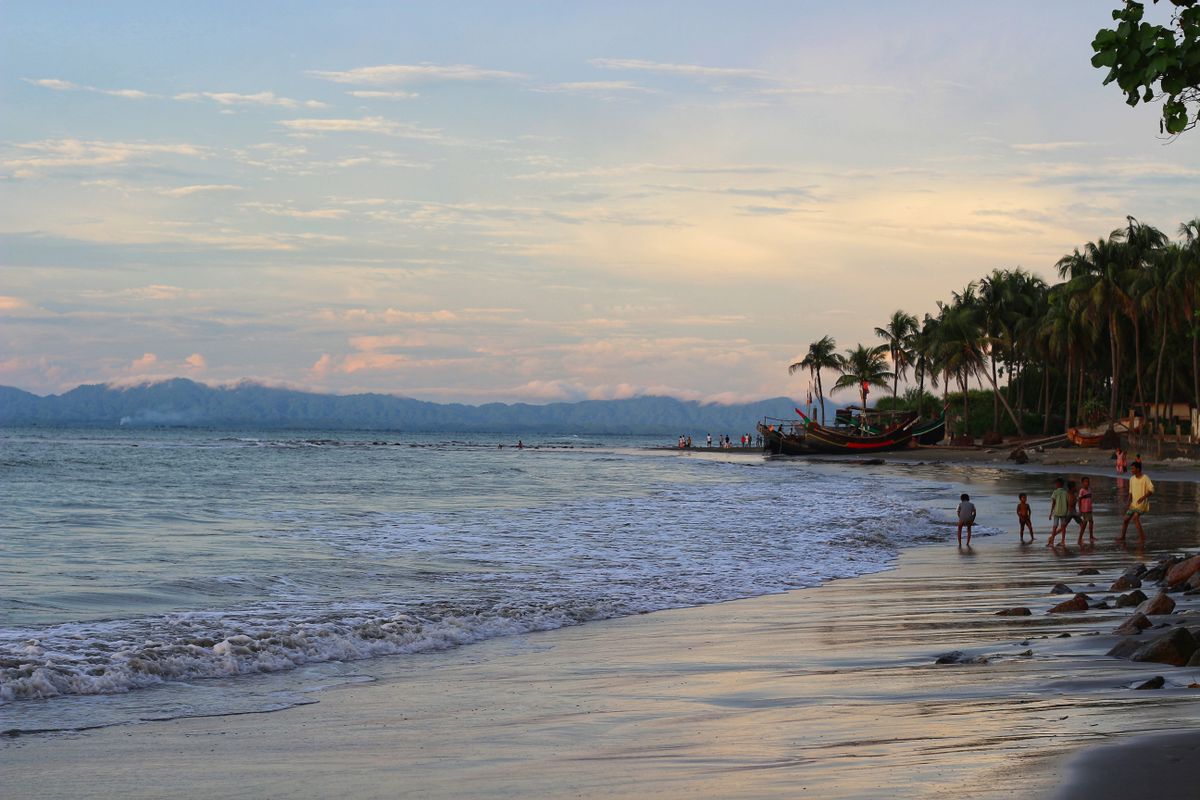
This is the sweet spot. Daytime temperatures sit between 25-28°C, nights cool to 18°C, and rain is rare. The Bay of Bengal is calm enough for swimming, and humidity drops below 70%. November sees the last of the monsoon stragglers, but by December the skies are reliably clear. January is the busiest month—Dhaka residents escape the capital for long weekends, and hotels fill up fast. Book two weeks ahead or pay double.
Crowds peak during Eid holidays when the population triples and the beach becomes a shoulder-to-shoulder carnival. If you want peace, avoid the week after Ramadan and the week of Eid al-Adha. February starts warm but stays dry; by month-end temperatures creep toward 30°C. This is the best window for island trips to Saint Martin and Maheshkhali—ferries run on schedule and the sea cooperates.
March to May: hot and getting hotter
March is tolerable if you handle heat well—temperatures hit 32°C by midday, but mornings and evenings are pleasant. April and May are brutal: 35°C, 80% humidity, and occasional pre-monsoon storms that dump rain without warning. The beach empties of locals, hotel prices drop 30%, and you will have long stretches of sand to yourself. Sunburn happens in 20 minutes; bring high-SPF lotion and a hat.
This is off-season for a reason. Swimming is fine if you go early, but afternoons are only bearable indoors with air-con. Restaurants and tour operators cut hours; some beach shacks close entirely. If you are on a tight budget and can handle the heat, May offers the cheapest rates of the year—$15 rooms that cost $40 in December.
June to October: monsoon
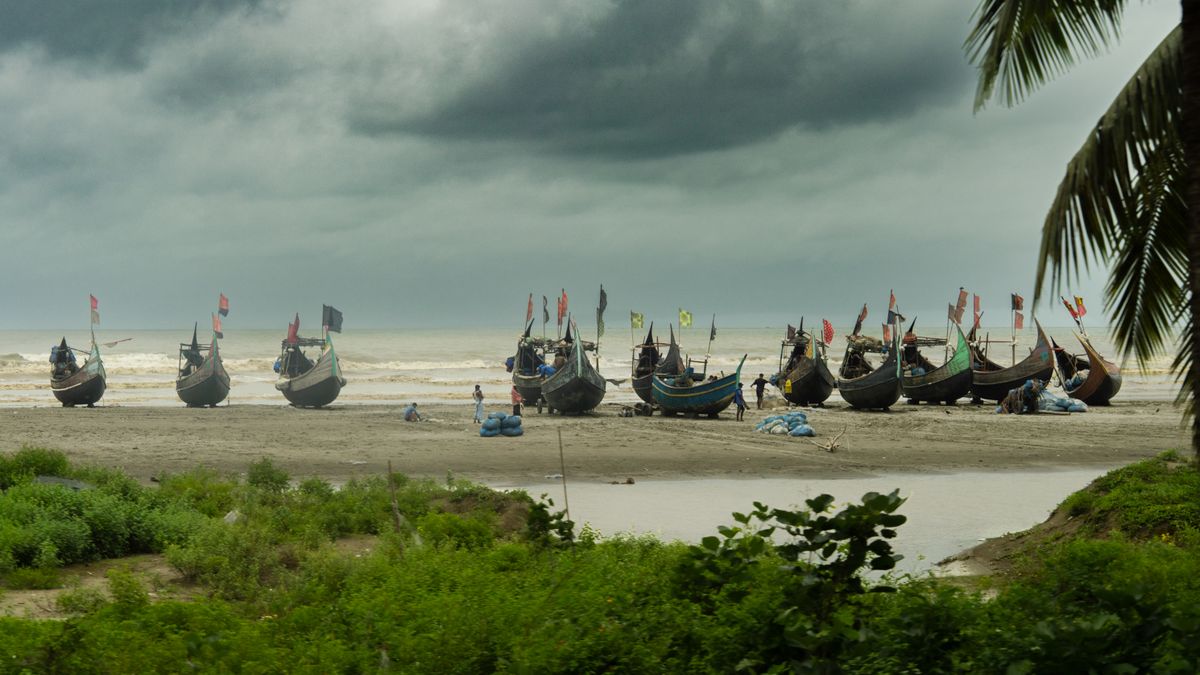
Monsoon starts in June and peaks in July-August. Expect 300-400 mm of rain per month, often in short violent bursts that flood roads and knock out power. The sea turns rough—swimming is dangerous and boats to Saint Martin stop running. September and October taper off but still see heavy showers every few days. Humidity stays above 85%, and mold grows on everything.
Why come during monsoon? Prices drop to rock-bottom, the landscape turns lush green, and you experience the coast in a way peak-season tourists never see. The drawbacks are real: canceled plans, limited transport, and beaches that are often deserted for good reason. If you visit, bring waterproof bags, accept that half your days will be indoors, and focus on temples and markets instead of beach time.
Special events and holidays
Eid al-Fitr and Eid al-Adha turn Cox's Bazar into a madhouse—avoid unless you enjoy crowds. Independence Day (March 26) and Victory Day (December 16) are national holidays with higher hotel rates but manageable crowds. The best deals are mid-January to mid-February outside of Eid windows, and the first two weeks of November before peak season hits. Book ferries and hotels in advance during any national holiday; last-minute availability evaporates.
Questions, answered
Hotels for this guide
See all stays →Curated picks are coming — meanwhile, the live search covers every bookable property at the same price or better.